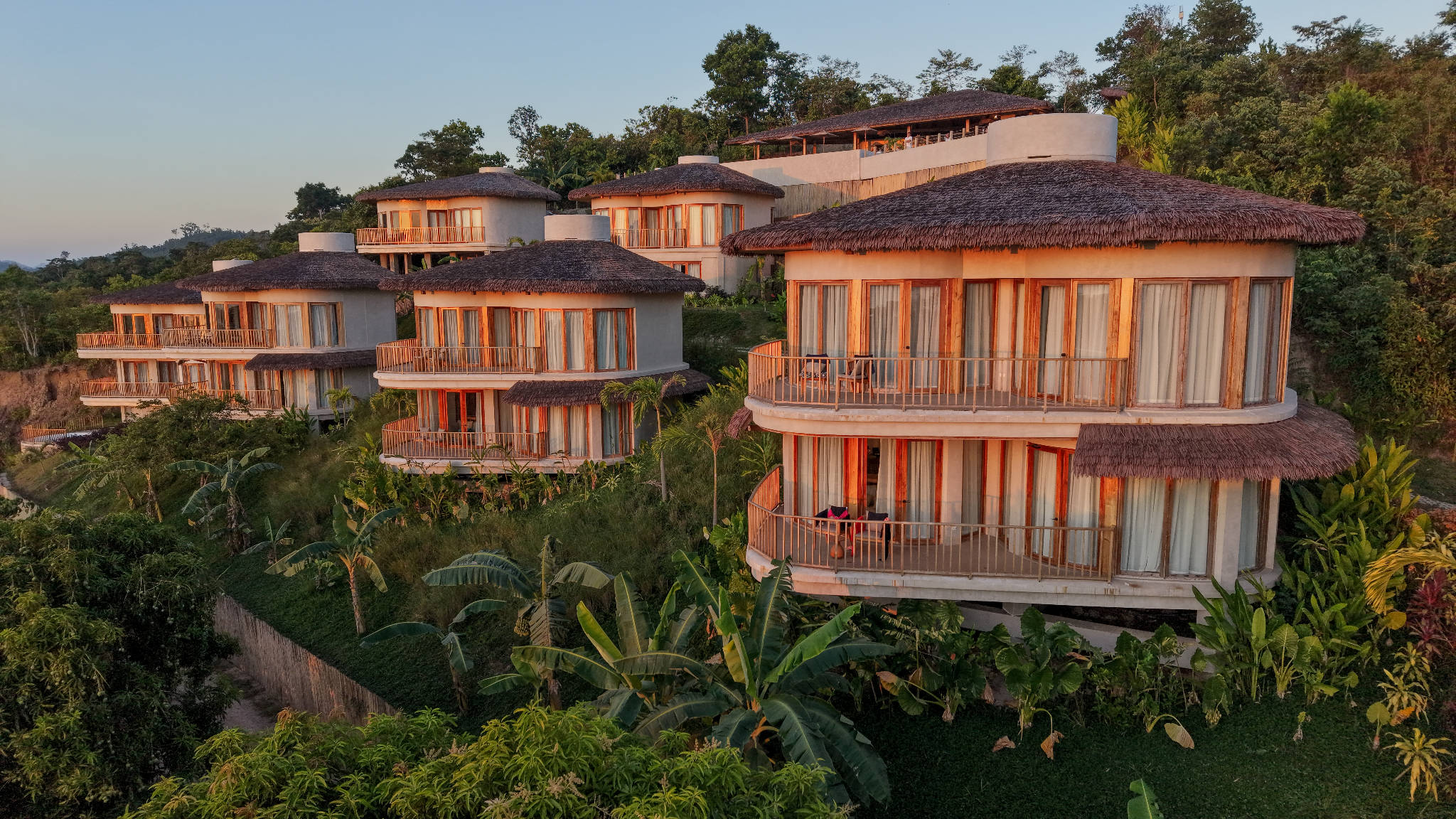
Every resort in El Nido promises paradise. Limestone cliffs, turquoise water, a sunset that looks unreal in every photo. So when Atalaya Resort & Restaurant says "Escape the Ordinary," it is worth asking what that actually means beyond a tagline on a homepage.
At Atalaya, escaping the ordinary is not about doing more. It is about doing less, but doing it with intention. It shows up in the pace of the day, the food on the table, the way the resort sits within its surroundings in Lamoro, El Nido, rather than on top of them. This guide walks through what that looks like in practice, and includes the practical details guests and first-time visitors to Palawan actually need before they book a flight.
Where the Phrase Comes From
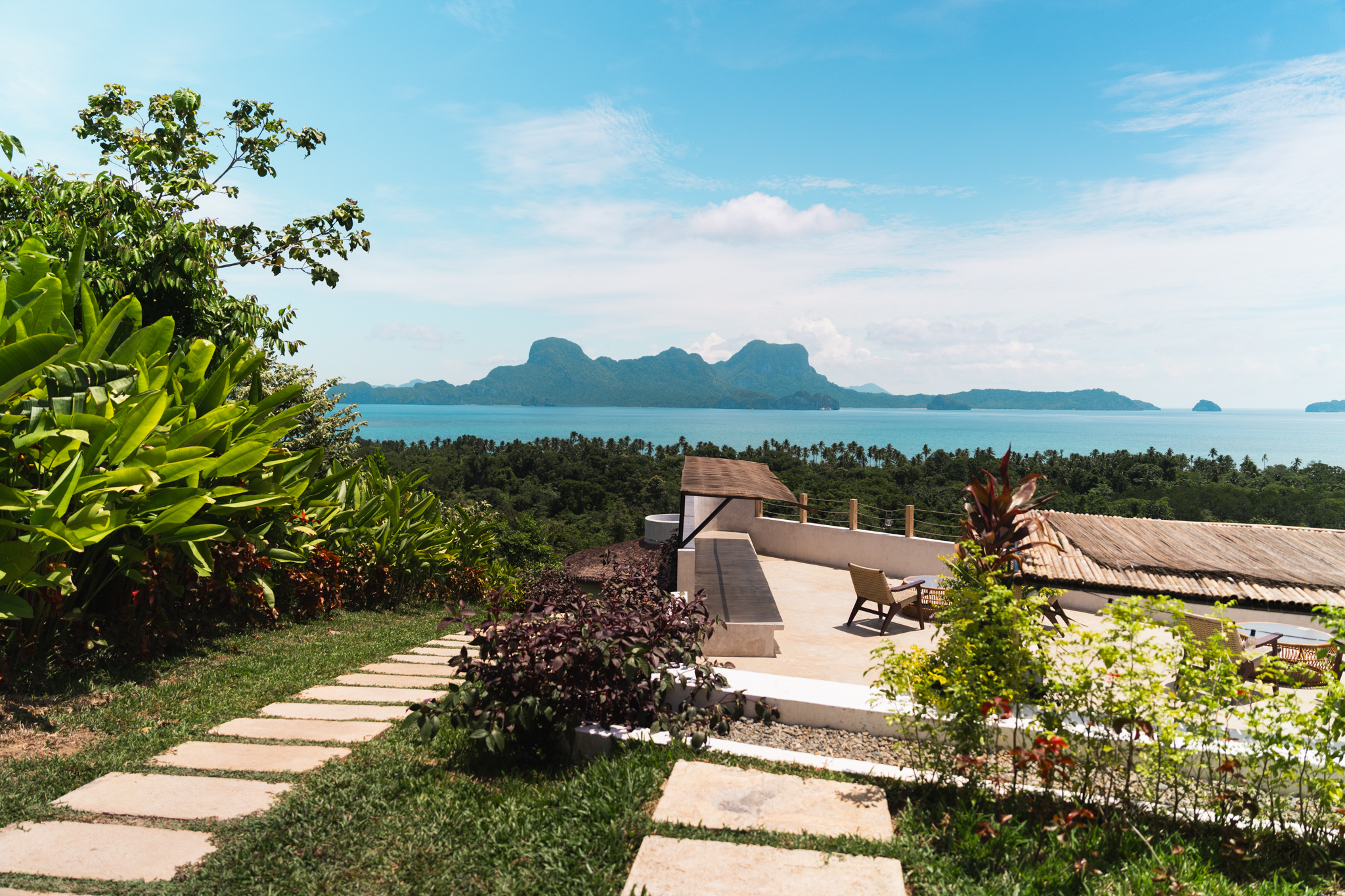
"Escape the Ordinary" is not shorthand for luxury in the conventional sense of marble lobbies and oversized welcome cocktails. At Atalaya, it points to something closer to relief. Relief from the noise of an overbooked itinerary. Relief from restaurants that photograph well but taste like nothing. Relief from the version of travel that leaves people needing a vacation from their vacation.
The resort's positioning around slow living and quiet luxury is deliberate. Under resort manager Nicolas, who has spent years working across Southeast Asia and the Maldives, the property is run with a light touch: fewer forced activities, more room for guests to set their own rhythm. The ordinary being escaped here is not the daily grind back home so much as the performance of a "must-see-everything" holiday. Atalaya is built for the opposite instinct.
Slow Living, Not Slow Wifi
A slow living philosophy sounds appealing until it is confused with inconvenience. At Atalaya, it means something more specific: unhurried mornings, meals that are not rushed to turn the table, and staff who read the room instead of running a script.
Guests notice it in small things. Breakfast has no fixed end time. A hammock by the water is treated as a legitimate itinerary item, not a filler between excursions. The Lakwa Dirt Bike Experience and diving trips are there for the days someone wants motion, but nothing at Atalaya nudges a guest toward busyness for its own sake. The luxury is in the option to do very little and have that be enough.
This is also where the "quiet" in quiet luxury earns its place. There is no loud branding, no oversized signage, no pressure to post proof of a good time. The experience is built to be felt first and photographed second.
Farm-to-Table, Not Just a Menu Line

Under Executive Chef Bautista, whose training traces back to Buenos Aires, the restaurant treats farm-to-table as a sourcing discipline rather than a marketing phrase. Ingredients are pulled from what Palawan actually grows and what local waters actually produce, then shaped by an Argentine hand that favors open-fire cooking, simple seasoning, and letting good ingredients carry the plate.
The result is a menu that changes with what is available rather than what looks good printed on glossy paper. A guest eating dinner at Atalaya is, in a small way, eating a version of El Nido itself: its fish, its produce, its coastline. That is a different kind of escape than an all-you-can-eat buffet flown in from Manila.
Adventure at Your Own Pace
Escaping the ordinary does not mean sitting still for an entire trip. Palawan's north tip is one of the more dramatic stretches of coastline in Southeast Asia, and Atalaya treats its adventure offerings as an extension of the same philosophy rather than a separate agenda.
Guests who want to move can choose from:
- The Lakwa Dirt Bike Experience, for those who want to see the terrain around El Nido rather than only the coastline
- Scuba diving in Bacuit Bay's reef system
- Skydiving for a wider view of the limestone islands
- Private dining set up away from the main restaurant, for a quieter version of a special evening
None of it is presented as compulsory. The pace is set by the guest, which is really the point. A resort that is genuinely about slow living has to let people choose fast, occasionally, without making it the whole trip.
Sustainability Woven In, Not Bolted On

Quiet luxury and sustainability tend to sit well together, because both are about restraint. At Atalaya, sustainability is treated as part of how the resort operates day to day, not as a seasonal campaign. Sourcing local ingredients cuts down on the footprint of flying in food. Building a slower guest experience naturally reduces the churn and waste that come with high-turnover tourism.
El Nido itself has leaned into this same logic for close to two decades. The municipality's Eco-Tourism Development Fee, first introduced in 2008, was created specifically to fund reef protection, mooring buoys, and coastal cleanups so the destination does not get loved to death by the tourism it depends on. Staying at a resort that shares that instinct, rather than working against it, is part of what makes the escape feel honest instead of performative.
A Practical Guide for Guests and Tourists
Here is the useful part: what to actually know before visiting Atalaya and El Nido.
Getting there. As of March 2026, direct flights that once connected Manila straight to El Nido's Lio Airport (ENI) were moved to route through Clark International Airport instead, following AirSWIFT's acquisition by Cebu Pacific. Travelers flying from Manila should check their routing carefully rather than assuming a direct Manila-to-El Nido flight is still available. An alternative route many travelers still use is flying into Puerto Princesa and taking the overland van transfer, which now runs at roughly five hours given road improvements.
The Eco-Tourism Development Fee (ETDF). Every non-resident visitor to El Nido pays a one-time environmental fee of ₱400, the regular rate set by Municipal Ordinance 01, Series of 2024, which took effect June 1, 2024. The fee is valid for 10 days and is reused across multiple tours or attractions within that window, so it only needs to be paid once per stay under that length. It is collected by the Municipal Tourism Office and funds reef protection, coastal cleanups, and other environmental projects. Keep the receipt; it may be checked at more than one site or activity.
Best time to visit. Dry season runs roughly November through May, with the calmest seas and clearest skies typically from December to April. Guests planning diving, island hopping, or the Lakwa Dirt Bike Experience will generally get the most consistent conditions in this window.
Before you go. The Department of Tourism's official El Nido destination page is a reliable starting point for general travel advisories, and background on El Nido's geography and municipal profile is useful for first-time visitors trying to picture the wider area beyond the resort itself.
What to pack. Reef-safe sunscreen matters here more than in most destinations, given how much of the appeal of El Nido depends on healthy coral. Light, breathable layers work better than anything formal, in keeping with the resort's unhurried, barefoot-friendly atmosphere.
What "Escape the Ordinary" Means for a Guest
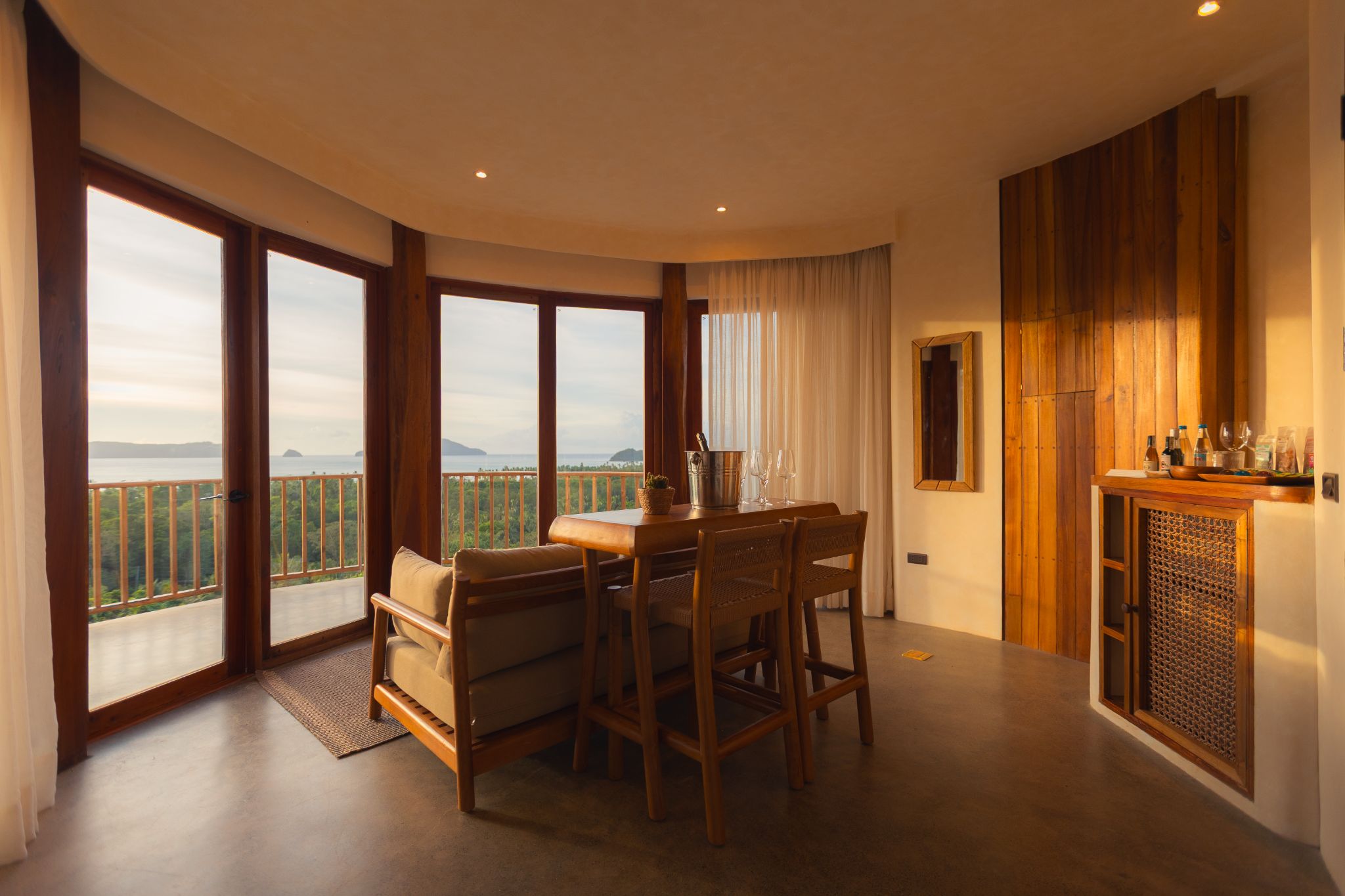
Strip away the tagline and what is left is fairly simple. It means a stay where the schedule bends to the guest instead of the other way around. It means a plate of food that tastes like the place it was cooked in. It means a resort that treats sustainability as part of the experience rather than a footnote, and treats adventure as optional rather than expected.
That is the version of "ordinary" being escaped: the packaged, over-scheduled, one-size-fits-all version of a tropical holiday. What replaces it at Atalaya is quieter, slower, and, for the right kind of traveler, considerably more memorable.
Guests curious about dates or details can reach the team directly at reservations@atalaya.ph, or explore more at atalaya.ph.
Frequently Asked Questions
What does "Escape the Ordinary" mean at Atalaya Resort & Restaurant?
It reflects the resort's approach to slow living and quiet luxury in El Nido, Palawan: an unhurried pace, farm-to-table dining led by Executive Chef Bautista, and optional adventure experiences like diving and the Lakwa Dirt Bike Experience, all set against a sustainability-first approach to hospitality.
How do guests get to Atalaya Resort in El Nido?
Most travelers fly into Palawan via Clark International Airport or Puerto Princesa, then continue to El Nido by air transfer or a van journey of roughly five hours from Puerto Princesa. Flight routing changed in March 2026, so it is worth confirming the current connection before booking.
Is Atalaya suitable for eco-conscious travelers?
Yes. The resort's farm-to-table sourcing and unhurried operating philosophy align with El Nido's broader Eco-Tourism Development Fee system, which funds reef protection and coastal conservation across the municipality.
Sources for practical travel information: El Nido Municipal Ordinance 01, Series of 2024 (ETDF rate), Philippine Department of Tourism, and AirSWIFT/Lio Airport routing updates, current as of August 2026. Guests should reconfirm flight routing close to their travel dates, as this is more prone to change than the ETDF rate.