
You've seen the photos. Turquoise lagoons framed by limestone cliffs. Hidden beaches accessible only by swimming through a crack in the rock. Sunsets that look edited, even when they aren't.
El Nido, Palawan lives up to every one of them.
But between the postcard version and the actual experience of arriving here for the first time, there's a gap that most travel guides quietly skip over. The logistics are a little rougher than the photos suggest. The details matter. And a few things that no one warns you about can either derail a trip or, handled well, make it far better than expected.
This is the honest guide we wish every first-timer had before landing. It's written from where we are: on the ground in El Nido, welcoming guests to Atalaya Resort every single week.
Quick Answer: El Nido rewards prepared travelers. Bring more cash than you think you need, book island tours early, pack reef-safe sunscreen, and plan for the pace of island life. The rest takes care of itself.
Getting to El Nido: What Your Options Actually Look Like
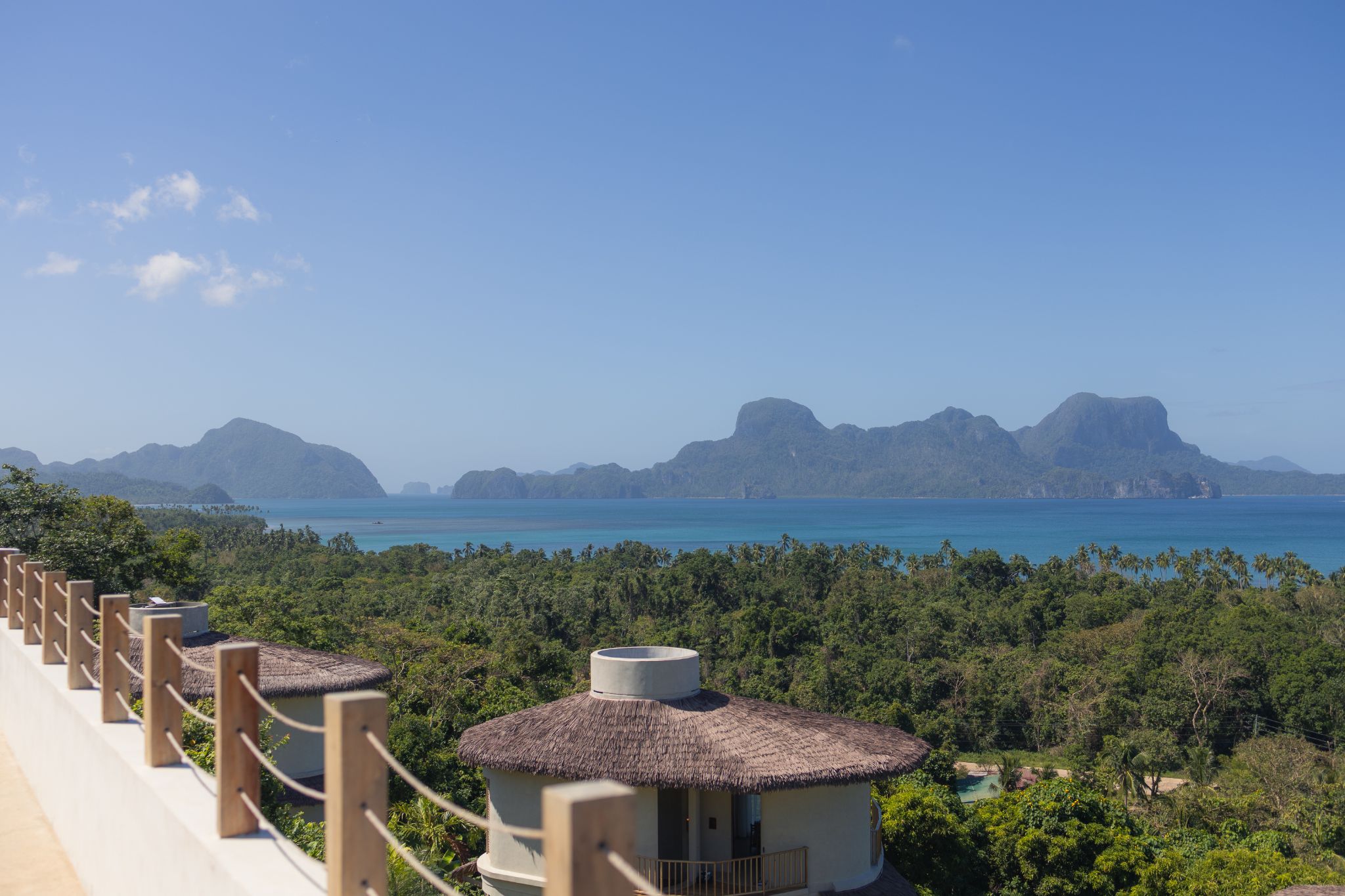
El Nido is remote by design. Getting there is part of the adventure, but understanding your options upfront saves a lot of stress.
Option 1: Fly directly to Lio Airport (ENI)
The fastest and most convenient way to arrive. Air Swift operates direct flights from Manila, Cebu, and Clark to Lio Airport, just a short drive from El Nido Town. Flight time from Manila is approximately 1.5 hours. Seats are limited on small aircraft, so book well in advance, especially during peak season. Prices run roughly PHP 3,365 to PHP 9,235 one way from Manila depending on how early you book.
Option 2: Fly to Puerto Princesa, then shuttle to El Nido
Philippine Airlines and Cebu Pacific both serve Puerto Princesa International Airport (PPS) from Manila, Cebu, and other major hubs. From Puerto Princesa, take a shared shuttle van to El Nido, which takes approximately 5 to 6 hours through scenic mountain roads. This option is more affordable but adds a full travel day. Book your shuttle in advance through your accommodation or a reputable operator.
Option 3: Ferry from Coron
For those combining El Nido with a Coron itinerary, ferry services run between the two destinations. Journey time is 4 to 6 hours and seas can be rough. Pack motion sickness medication if you're sensitive to open water crossings.
From the airport to Atalaya: Atalaya Resort is located in Lamoro, El Nido, approximately 10 minutes by car from Lio Airport. Our team can assist with transfer arrangements. Reach out at reservations@atalaya.ph.
The One Thing Nobody Warns You About: Cash
This is the most common surprise for first-time visitors, and it catches people off guard every single season.
El Nido runs almost entirely on cash. Most businesses, tour operators, tricycles, markets, and guesthouses are cash-only. The town has only 3 to 5 ATM machines, and they frequently run out of cash in peak season, particularly after holiday weekends.
The single most practical money tip for El Nido visitors: withdraw your cash in Puerto Princesa before you arrive. If you're flying directly to Lio Airport, withdraw at Manila's international terminals before departure. For a 5-day trip, a recommended cash budget is PHP 15,000 to PHP 30,000 depending on your spending level.
A few more practical notes:
- Notify your bank before you travel. Many banks block overseas ATM transactions without prior notice. A quick call or app notification prevents your card being frozen at the worst possible moment.
- ATM fees in El Nido run PHP 200 to PHP 250 per withdrawal, on top of any fees from your home bank. If you want to minimize fees, low-cost international debit cards like Wise offer competitive rates and lower withdrawal costs compared to standard bank cards.
- Keep small bills on hand. PHP 20, PHP 50, and PHP 100 notes are useful for tricycles, tips, and small purchases.
- GCash, the Philippines' dominant mobile payment platform, is increasingly accepted in El Nido, but setting it up as a foreign visitor requires a Philippine SIM and some patience. For a short trip, cash is still the most reliable approach.
The Environmental Fee: Pay It, Keep the Receipt
Every visitor to El Nido pays a mandatory Environmental Fee of PHP 200 upon arrival. This fee is paid in cash at the pier and is non-negotiable. It covers your access to the Bacuit Archipelago's marine protected areas and directly supports conservation efforts across El Nido's lagoons, reefs, and islands. You can learn more about El Nido's tourism guidelines and conservation programs at the El Nido Municipal Tourism Office website.
The receipt is valid for 10 days, so if you plan to do multiple island tours during your stay, you only pay the fee once. Keep it with you and present it at each tour departure.
Island Hopping 101: Tours A, B, C, and D Explained
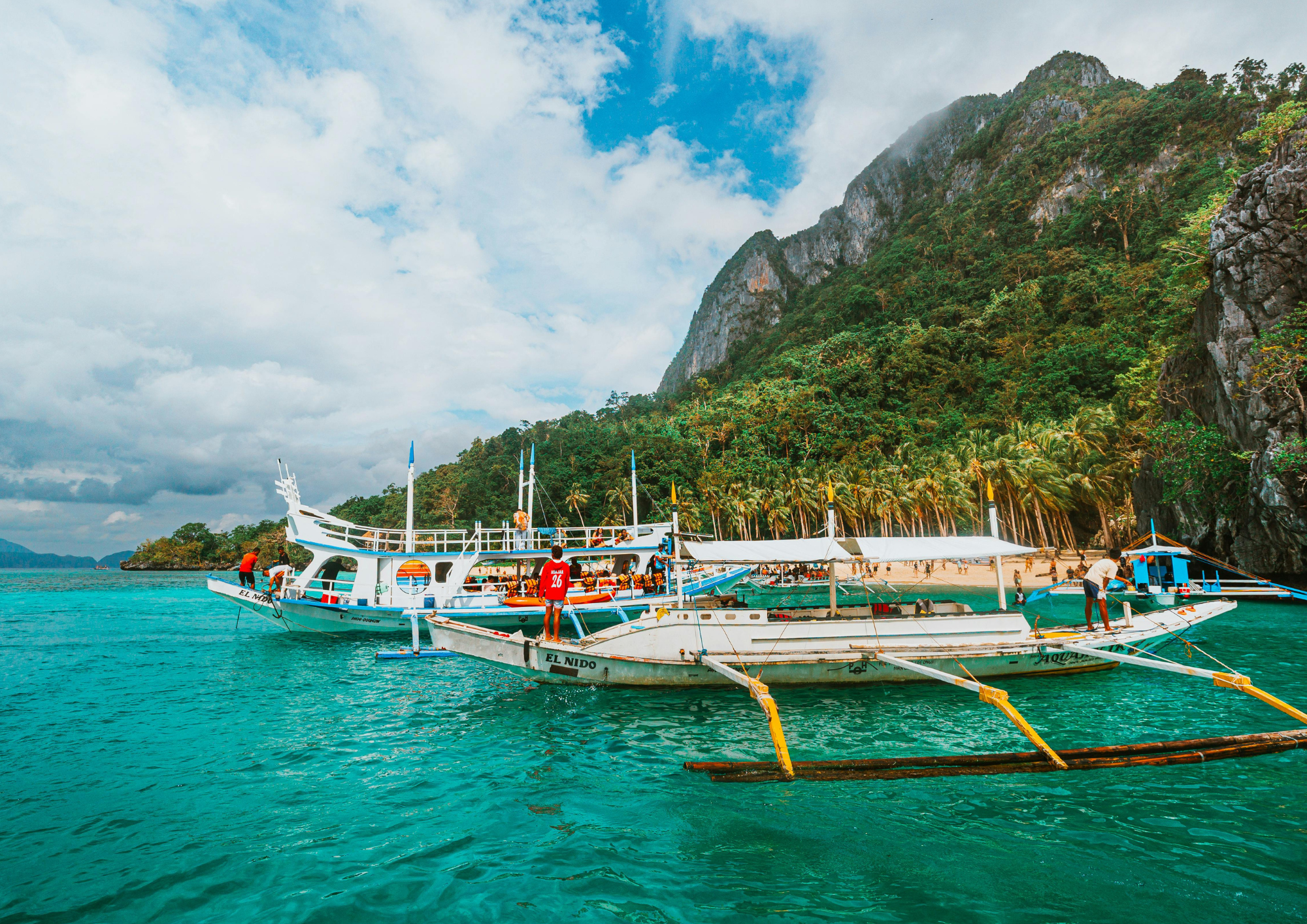
Island hopping is the centerpiece of any El Nido trip. There are four main island hopping tours in Bacuit Bay, each exploring different islands, beaches, caves, and lagoons around the archipelago. For a detailed breakdown of each route and what's included, Guide to the Philippines has a comprehensive island hopping overview. Here's our honest summary:
| Tour | Highlights | Best For |
|---|---|---|
| Tour A | Big Lagoon, Secret Lagoon, Seven Commandos Beach, Shimizu Island | First-timers, iconic landscapes |
| Tour B | Snake Island sandbar, Cudugnon Cave, Cathedral Cave | Cave lovers, quieter beaches |
| Tour C | Secret Beach, Hidden Beach, Helicopter Island, Matinloc Shrine | Snorkeling, dramatic scenery |
| Tour D | Cadlao Lagoon, Pasandigan Beach, Nat-Nat Beach | Relaxed pace, fewer crowds |
What nobody tells you: Private island hopping tours are significantly better than shared group tours. Private boats can depart as early as 7:00 AM, whereas shared tours leave around 9:00 to 9:30 AM. Arriving at Big Lagoon before the shared tour flotilla makes for an entirely different experience.
If the budget allows, a private boat hire is one of the best upgrades you can make on this trip. Ask your Atalaya concierge to arrange this through trusted local operators.
Tour pricing in 2025 to 2026: Tour A and Tour D run at approximately PHP 1,200 per person for the shared boat, plus PHP 200 for lagoon entrance fees and PHP 150 for kayak rental at certain stops. Prices vary by operator and season.
What to bring on tour day:
- Reef-safe sunscreen (more on this below)
- A dry bag for your phone, cash, and camera
- Water shoes or reef sandals for rocky boat entries
- Your environmental fee receipt
- Plenty of drinking water
Reef-Safe Sunscreen: Not Optional

This is one of the rules that El Nido actually enforces, and for very good reason.
Standard chemical sunscreens containing oxybenzone, octinoxate, octocrylene, or homosalate are toxic to coral reefs, even in tiny concentrations. Several El Nido tour operators and marine protected area site managers now require reef-safe mineral sunscreen as a condition of entry. El Nido sits within the Coral Triangle, recognised as the global center of tropical marine biodiversity, and protecting its reefs is taken seriously by the local government and conservation community. You can read more about marine conservation efforts in Palawan through WWF Philippines.
What to use: look for mineral sunscreens with zinc oxide or titanium dioxide as the active ingredient. Bring reef-safe sunscreen from home or from Puerto Princesa, where options are better. Selection in El Nido town is limited and prices are higher.
Getting Around El Nido Town
El Nido Town is small and mostly walkable, with the main strip taking around 10 to 15 minutes on foot end to end. For anywhere further, tricycles are the primary local transport. They are inexpensive, ubiquitous, and reliable. A tricycle from town to Las Cabanas Beach runs around PHP 100 to PHP 143, while a return trip to Nacpan Beach costs approximately PHP 716 to PHP 1,002 and is worth every peso.
Negotiate the fare before you get in, especially for longer routes. Night rates, typically after 9 PM, run higher than daytime fares. Tipping your driver is appreciated.
For exploring further afield, such as Atalaya's location in Lamoro, your resort can arrange transfers. Contact us at reservations@atalaya.ph for details.
Responsible Travel in El Nido: What It Actually Means Here
El Nido's beauty is under real pressure from the volume of tourism it receives. The local government, conservation organisations, and responsible operators have built genuine systems to manage this, including daily visitor quotas at popular sites, environmental fees, marine protected area designations, and reef-safe sunscreen requirements. When visitors take these seriously, they work.
A few specific things that make a meaningful difference:
- Never touch or stand on coral. This applies to snorkeling, swimming, and boat entries. Coral that looks like rock is alive. One contact can destroy years of growth.
- Take all rubbish back to shore. Some tour operators still fall short on this. If you see litter on a beach or boat, take it with you.
- Bring a reusable water bottle. Refill stations exist in El Nido Town at around PHP 10 to PHP 20 per liter. This is one of the simplest ways to reduce plastic waste on a trip here.
- Tip your boat crew and guides. The standard tip for tour guides and boat crew is PHP 115 to PHP 229 per person, per tour. These crews work long days on the water in all weather. It is earned.
For weather monitoring before and during your trip, especially if traveling in the shoulder or green season, bookmark PAGASA, the Philippine Atmospheric, Geophysical and Astronomical Services Administration for official advisories and forecasts.
5 Things First-Timers Get Wrong in El Nido
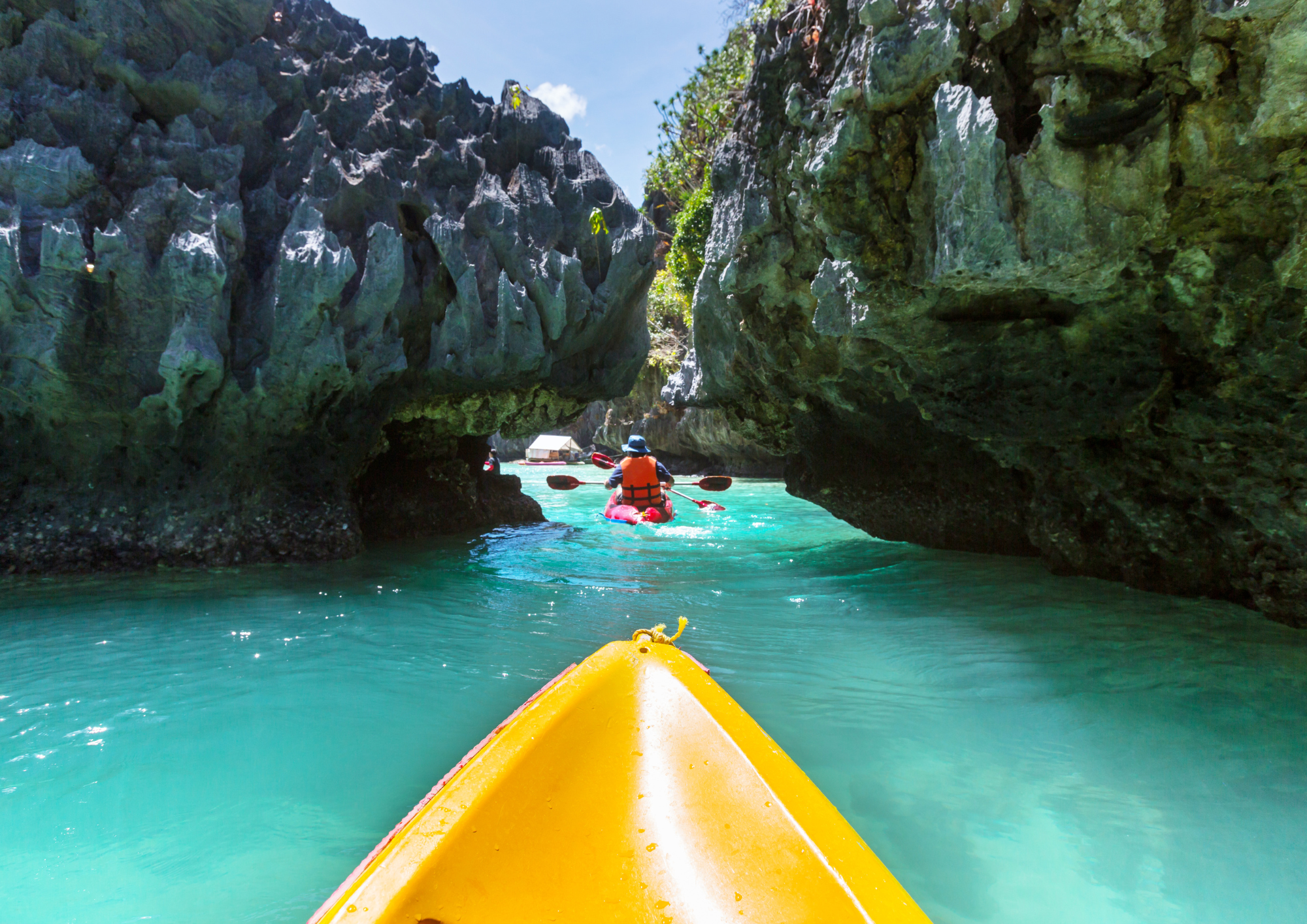
1. Assuming ATMs Will Cover Them
Covered above, but worth repeating. Withdraw cash before you arrive. ATMs in El Nido are few, they run out, and the fees are high. This is the number one avoidable stress point for first-time visitors.
2. Booking the Wrong Tour for Their Interests
Tour A is the most popular, but it is also the most crowded. Tour D is the least famous of the four routes but can be the most relaxing, exploring areas around Cadlao Island with fewer boats and more space to swim and explore. Know what kind of experience you want before you book.
3. Underestimating Travel Time to Get Here
Whether you're flying via Puerto Princesa or Lio Airport, El Nido requires planning. The Puerto Princesa to El Nido van journey alone is 5 to 6 hours. Factor this into your total trip length and don't shortchange your time here after a long journey in.
4. Forgetting Reef-Safe Sunscreen
Standard sunscreen is not just frowned upon here. At some sites, it gets you turned away. Bring the right one from home.
5. Rushing Through the Experience
El Nido rewards travelers who slow down. The guests who come to Atalaya for three nights and say they wish they had booked a week are not the exception. They are almost everyone. Give yourself time to stop chasing the next activity and actually be here.
Where to Stay: Why Your Base Matters
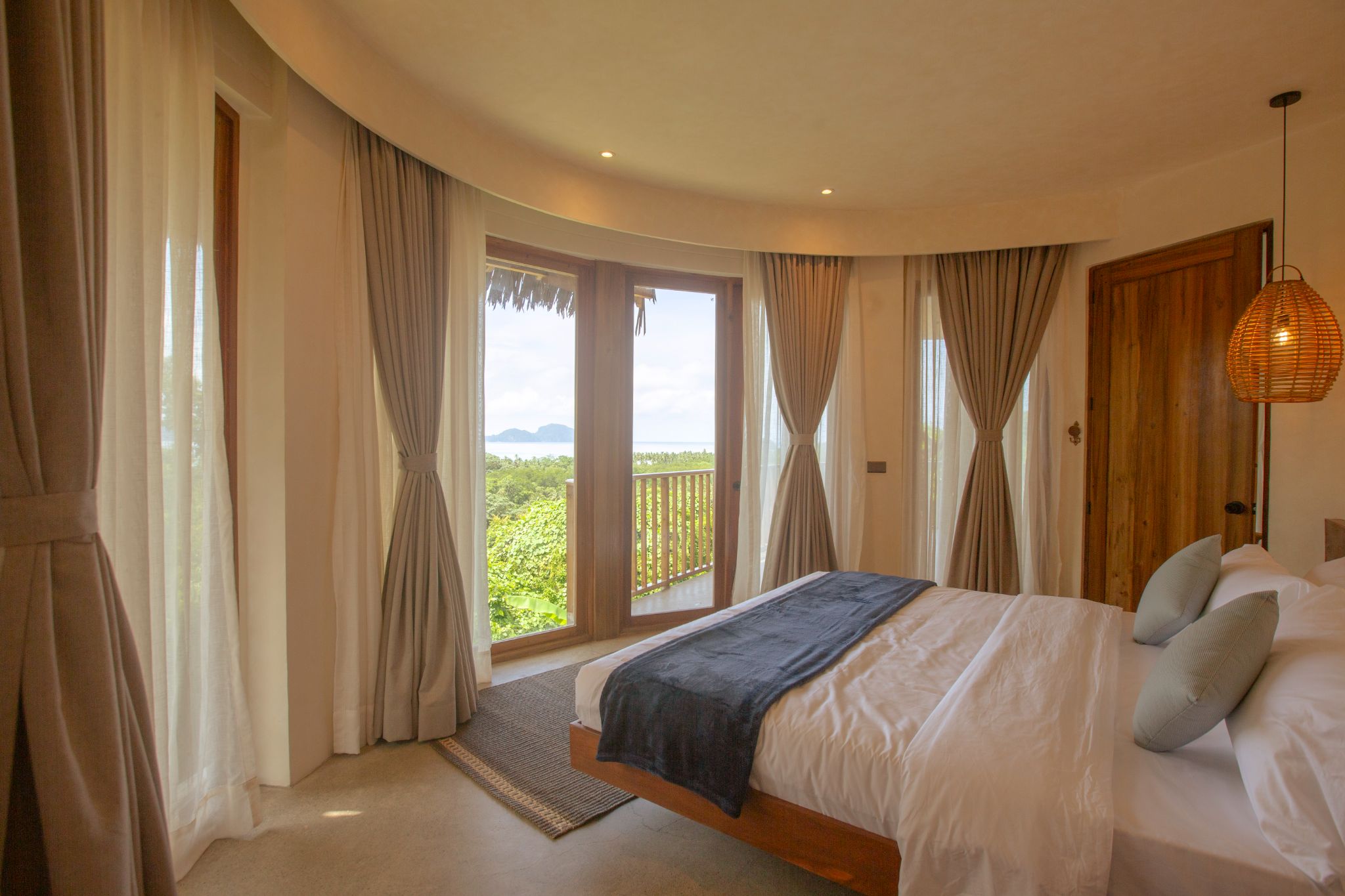
Where you stay in El Nido shapes the entire experience. A noisy town-center guesthouse puts you close to the action but far from the quiet. A resort without genuine hospitality leaves you without the local knowledge that makes a trip exceptional.
At Atalaya Resort El Nido, we've built the kind of place that functions as a genuine base for exploring El Nido, not just a room to sleep in. Perched on a hillside in Lamoro with views of Bacuit Bay and Cadlao Island, we offer:
- Standard Suites with private balconies and partial sea views, ideal for solo travelers and couples seeking a quiet retreat
- Family Suites at 66 sqm with Bacuit Bay views, designed for families who want space and connection
- Premier Suite at 80 sqm with sweeping views and refined coastal design for couples seeking something special
- Superior Villa with private jacuzzi, kitchen, and open-air living areas, perfect for small groups and extended stays
Our concierge team can arrange island hopping tours with trusted local operators, the Lakwa Dirt Bike Experience, scuba diving packages, skydiving over Bacuit Bay, and private dining events with Chef Bautista. This is not just a list of things to do. It's a curated way into El Nido's best experiences, organised by people who know the island.
Reserve your room: reservations@atalaya.ph
Where to Eat: The Case for Dining at Atalaya

El Nido Town has a lively dining scene, with options ranging from street-side Filipino grills to international restaurants along the beachfront. Restaurants in El Nido can stretch your budget quickly, and food safety standards vary between establishments. When in doubt, eating where there is visible kitchen hygiene and consistent foot traffic is a reliable guide.
For an elevated dining experience that genuinely reflects where you are, the Atalaya restaurant is worth the visit even if you're not staying with us. Executive Chef Bautista's farm-to-table philosophy means every dish is built around ingredients grown close to home, prepared with care, and served in a setting that puts Palawan's landscape front and center. Private dining events, intimate garden dinners, and bespoke gastronomic experiences can also be arranged for special occasions.
Book a table: reservations@atalaya.ph
Explore experience packages: atalaya.ph/experiences
Quick-Reference First-Timer Checklist
Before you arrive in El Nido, run through this list:
- Withdraw sufficient cash in Puerto Princesa or Manila before arrival
- Notify your bank of travel to the Philippines
- Book island hopping tours in advance, especially in peak season
- Pack reef-safe mineral sunscreen and bring enough for your whole trip
- Pack a dry bag for boat days
- Download an offline map of El Nido via Maps.me or Google Maps offline before departure
- Monitor weather via PAGASA if traveling in shoulder or green season
- Keep your environmental fee receipt for the duration of your stay
- Confirm airport transfer arrangements with your accommodation
Atalaya El Nido | Escape the Ordinary
Frequently Asked Questions
What should I know before visiting El Nido for the first time?
The most important things to know are: bring more cash than you expect and withdraw it before you arrive, as El Nido has very few ATMs that frequently run out; book island hopping tours in advance during peak season; pack reef-safe mineral sunscreen as chemical sunscreens are harmful to the reefs and increasingly required at tour sites; and budget adequate travel time, as El Nido is remote and requires either a direct flight to Lio Airport via Air Swift or a 5 to 6 hour van ride from Puerto Princesa.
How do I get to El Nido, Palawan?
There are two main ways to reach El Nido. The first is to fly directly to Lio Airport (ENI) via Air Swift from Manila, Cebu, or Clark, which takes approximately 1.5 hours. The second is to fly to Puerto Princesa International Airport with Philippine Airlines or Cebu Pacific and then take a shared shuttle van to El Nido, a journey of around 5 to 6 hours. Book flights and shuttle transfers in advance as seats fill quickly, especially during peak season from December to May.
Which El Nido island hopping tour is best for first-timers?
Tour A is the most popular choice for first-time visitors, featuring Big Lagoon, Secret Lagoon, Shimizu Island, and Seven Commandos Beach. It showcases El Nido's most iconic landscapes. Tour C is also highly recommended for its dramatic hidden beaches and excellent snorkeling. If you have several days, combining Tour A and Tour C gives you a comprehensive view of Bacuit Bay. Tour D is the best option for travelers who prefer quieter spots with fewer crowds.
Do I need cash in El Nido?
Yes, cash is essential in El Nido. Most businesses including tour operators, tricycles, local restaurants, and markets are cash-only. El Nido town has only 3 to 5 ATMs and they frequently run out of cash, particularly during peak season. The most important practical tip is to withdraw sufficient Philippine pesos in Puerto Princesa or at Manila's international airport before traveling to El Nido. ATM fees in El Nido run PHP 200 to PHP 250 per withdrawal.
What is the environmental fee in El Nido?
All visitors to El Nido pay a mandatory Environmental Fee of PHP 200 per person upon arrival. It is paid in cash at the pier and covers access to the Bacuit Archipelago's marine protected areas for 10 days. Keep your receipt and present it at each island tour departure. The fee directly funds conservation efforts across El Nido's lagoons, reefs, and islands. More information is available at the El Nido Municipal Tourism Office website at elnido.gov.ph.
Is reef-safe sunscreen required in El Nido?
Yes, reef-safe mineral sunscreen is required at many tour stops and marine protected areas in El Nido. Standard chemical sunscreens containing oxybenzone, octinoxate, and similar compounds are toxic to coral reefs and are increasingly enforced as a condition of entry at island hopping sites. Use a mineral-based sunscreen with zinc oxide or titanium dioxide as the active ingredient. Bring it from home or from Puerto Princesa, as options in El Nido town are limited and more expensive.
How many days should I spend in El Nido?
A minimum of 4 to 5 days is recommended for a first visit. This gives you enough time to complete two or three island hopping tours, explore El Nido Town, visit a beach or two independently, and genuinely decompress. Many first-time visitors wish they had booked more time once they arrive. If your schedule allows, 6 to 7 days lets you experience El Nido without the pressure of rushing, which is entirely contrary to what the island is about.